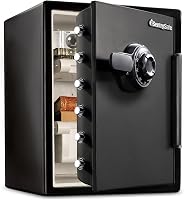
How to Move a Heavy Safe
Plan the route, empty the safe, and use equipment rated for its weight before moving it. Get professional help for stairs, tight turns, upper floors, or any move you can't control safely.
On this page (7 sections)
To move a heavy safe, empty it, map a clear route, and use a dolly or other equipment rated for its full weight. Get professional safe movers for stairs, upper floors, tight turns, or a move where you can't keep the load stable and under control.
Check the safe's actual weight and dimensions before planning. The destination, doorway width, floor surface, and turns along the route all affect whether the move is manageable.
For a commercial destination, see floor safes for business.
What should you do before moving a heavy safe?
Prepare the safe, route, and equipment before lifting it. A move is safer when everyone knows the plan and the path is clear from start to finish.
Empty the safe, remove loose shelves, and secure its door as the manufacturer directs. Keep keys and access information with you, not inside a safe that will be hard to reach.
Measure the safe and every narrow point on the route, including doorways, hallways, landings, and the final space. Check the floor for steps, thresholds, loose rugs, cords, and surfaces that could make a loaded dolly slip.
Decide where the safe will stop at each stage. If you can't describe how the load will pass a tight turn or doorway without tilting or dragging, pause and call a professional.
What equipment helps move a safe?
Use a dolly or hand truck rated for more than the safe's total moving weight, with straps that can secure the safe to the frame. The wheels and frame should suit the route's surface and any thresholds.
A standard household hand truck may not be designed for a compact, dense load. Compare purpose-built options in our guide to the best heavy duty safe moving dolly, and check the safe's weight against the equipment's capacity before use.
Use moving blankets or protective panels to reduce scrapes on the safe and nearby walls. They don't replace straps, a rated dolly, or a plan for controlling the load.
How do you move a safe across a level floor?
Keep the safe upright, strap it securely, and move slowly across a clear, level route. One person should guide the move while helpers watch the load, wheels, and nearby obstacles.
Use the dolly's instructions to position and secure the safe. Don't place hands or feet beneath the load, and stop if the safe shifts, a wheel catches, or the route becomes blocked.
At a doorway or threshold, pause and reassess before proceeding. Don't pull the safe by its handle or try to force a loaded dolly over an obstacle that could tip it.
When should you hire professional safe movers?
Hire professionals when the move involves stairs, an upper floor, narrow turns, or a load you can't control confidently. A safe's weight and compact shape can make it difficult to recover once it starts tipping.
Ask the mover about the safe's weight, route, destination, and any stairs or floor transitions. Share measurements and photos of tight spots so the move can be planned before anyone starts lifting.
For an upstairs destination, review what should be checked before putting a heavy safe on an upper floor. A floor's ability to support the load is a separate concern from getting the safe there.
A safe's weight alone doesn't tell you how well it resists forced entry. See why a heavy safe is not automatically a high-security safe when choosing a safe for the new location.
Which safe sizes are easier to reposition?
A smaller safe can be easier to handle, but you still need to check its weight and secure it against tipping or removal. Choose a size that fits your storage needs and the space where you plan to install it.
The Yuanshikj Small Steel Security Safe Box weighs 5.8 lb and has pre-drilled mounting holes for wall or floor mounting. Its compact dimensions may suit a small valuables spot, but moving it doesn't remove the need to secure it.
The SentrySafe Fireproof Safe with Key Lock weighs 13 lb and has a built-in carrying handle. It's a portable chest for documents and small valuables, not a substitute for planning how to move a larger safe.
The Amazon Basics Steel Home Security Safe weighs 17.1 kg and includes pre-drilled mounting holes and hardware. Plan its route and secure it after placement rather than treating its listed mounting options as a moving method.
What should you do after moving the safe?
Set the safe on a stable surface and secure it according to its instructions. Keep the route clear until the safe is in its final position and the equipment is no longer needed.
If you plan to anchor it, follow how to bolt a safe to the floor and check that the mounting surface and hardware suit the installation. You can also compare best bolt down safes for the home when choosing a safe intended for anchoring.
For an out-of-the-way location, consider whether a closet fits the safe's dimensions and access needs. Our guide to the best closet safe box covers that placement choice, and how to install a safe at home walks through setting up a safe in its chosen spot.
What is the safest way to move a heavy safe?
The safest way to move a heavy safe is to empty it, plan a measured route, secure it to properly rated equipment, and hire professionals for stairs or difficult access. Choose a small safe with a carrying handle for light transport, or plan a controlled equipment move for a heavier cabinet.
If the destination is upstairs, check the floor and route before arranging the move. Once the safe is in place, anchor it when appropriate and confirm it stays stable.
Frequently asked questions
Can you move a safe by yourself?
A small, light safe may be manageable with proper equipment and a clear route, but don't try to move a heavy safe alone. Check its weight and center of gravity, use a rated dolly, and get enough capable helpers.
Call professional safe movers if the route includes stairs, tight turns, or an upper floor.
Can you move a safe on its side?
Don't assume a safe can be transported on its side. Check the manufacturer's instructions for approved carrying positions, and keep the safe upright if the guidance is unclear.
A safe can shift on a dolly, and its door or locking parts may be damaged if it tips or takes an impact.
How do you move a safe down stairs?
Moving a safe down stairs creates a serious risk of a tip, runaway load, or damaged steps. Don't improvise with a standard hand truck or a rope.
Use a professional safe mover with equipment and a plan for the stairs, landing, and doorway.
Should you empty a safe before moving it?
Yes, remove documents, valuables, shelves, and loose contents before moving the safe. This reduces weight and prevents items from shifting inside.
Keep keys and lock instructions with you, and secure any removable shelf separately so it can't slide or fall.