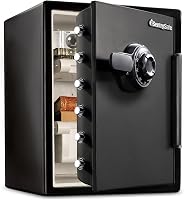
How to Install a Safe at Home
To install a safe at home, choose a level spot, check the floor or wall structure, and anchor the safe with hardware suited to that surface. Follow the safe maker's instructions and check for pipes, wires, and heating before drilling.
On this page (9 sections)
- Where should you place a home safe?
- What should you check before drilling?
- How do you anchor a safe to a floor?
- How do you install a safe on concrete?
- How do you secure a safe to a wood floor?
- Can you install a safe inside a wall?
- How do you move a safe into position?
- What should you check after installation?
- How do you choose the right installation approach?
To install a safe at home, place it on a level, sturdy surface and anchor it with hardware suited to the floor or wall. Check the safe's mounting instructions, the surface beneath it, and the location of hidden pipes and wires before drilling.
A good installation starts before you lift the safe into place. Decide what you need to protect, measure the route and final spot, and confirm you can open the door and reach the safe comfortably.
Where should you place a home safe?
Choose a spot with solid support, practical access, and room to open the door fully. The right location depends on the safe's size, weight, mounting design, and what you plan to store inside.
A closet or utility area may keep a safe out of the way, but check for moisture, heat, and obstructions. For options suited to that location, compare safes for closets.
Avoid placing it where a leak could reach it or where it blocks a walkway, access panel, or electrical equipment.
Think about how the safe will enter the room. Measure doorways, turns, stairways, and the final opening space before moving it.
Should a safe go on concrete or a wood floor?
A concrete slab and a wood-framed floor need different fasteners and checks. Use the installation directions for your safe and anchors made for the surface.
For wood, locate the floor joists or other solid framing before drilling. Don't count on thin flooring alone to hold an anchored safe.
For concrete, check that the slab is suitable and use masonry hardware matched to the safe's mounting holes. If you aren't sure what lies beneath the surface, ask a qualified installer before drilling.
What should you check before drilling?
Before drilling, check the safe's mounting points, surface condition, and likely routes for pipes and wires. A stud finder can help locate framing and some hidden services, but it may not identify every utility.
Read the safe instructions for approved mounting locations and any limits on drilling. Some models have pre-drilled holes and include hardware, but you still need to confirm that the hardware fits your floor or wall.
Use a level to check the intended position, then mark the holes through the safe's mounting points. Move the safe away before drilling, and keep the work area clear.
How do you prepare the floor or wall?
Prepare a clean, dry, level surface that can support the safe and its contents. Remove loose debris, check for cracks or damage, and resolve any unevenness before setting the safe down.
For wall mounting, confirm that the wall structure and safe are designed for the load. Don't attach a safe to drywall alone unless the maker specifically approves that installation.
The Yuanshikj Small Steel Security Safe Box has pre-drilled holes and mounting bolts for wall or floor mounting, which can suit a compact installation.
Check the safe's instructions and the structure behind the surface before using the included bolts. A mounting kit doesn't make every wall or floor suitable.
How do you anchor a safe to a floor?
To anchor a floor safe, align its mounting holes with the prepared anchor points, then tighten the approved fasteners securely. The safe should sit flat and stable without rocking.
For a commercial setting, compare floor safes for business.
- Place the safe over the marked anchor points and check that it is level.
- Confirm the holes line up without forcing the safe into position.
- Install the surface-appropriate anchors according to their instructions.
- Tighten the fasteners evenly, then check that the safe stays stable.
- Test the door and lock before loading the safe.
For a step-by-step floor anchoring walkthrough, see how to bolt a safe to the floor. If you are choosing a model, compare best bolt down safes for the home and check that its footprint and mounting points fit your planned location.
The Amazon Basics Steel Home Security Safe has pre-drilled mounting holes and hardware for floor or wall mounting. Its 1.52 cu ft capacity and removable shelf may suit a household that wants room to organize documents and valuables.
For models selected for paper storage, see home safes for documents.
This safe measures 13.8 x 13 x 16.5 in on the outside, so measure the space and route before moving it. Follow its instructions to choose the mounting surface and hardware.
How do you install a safe on concrete?
Installing on concrete means using masonry anchors suited to the safe's mounting holes and the slab. Check the anchor maker's instructions for the drill bit, hole depth, and tightening method.
Mark the holes with the safe in position, then move the safe and drill carefully. Clear dust from each hole as directed by the anchor instructions, install the anchors, and secure the safe without overtightening.
Don't drill into a slab if you don't know whether it contains embedded pipes, wiring, or other services. In that case, choose another spot or have the area checked by a qualified professional.
How do you secure a safe to a wood floor?
On a wood floor, fasten through the safe's mounting points into solid framing. The exact fastener depends on the safe, joist location, and instructions for the mounting hardware.
Locate framing before choosing the final position. If the safe's holes don't line up with a joist, don't rely on the floor finish or force the safe into a poor position; review the maker's approved options.
Check below the floor for wiring, plumbing, or ductwork before drilling. If you can't inspect the space or confirm the framing, ask a qualified installer to assess it.
Can you install a safe inside a wall?
You can install a wall safe only in a suitable wall cavity and according to the safe's installation requirements. Check cavity depth, framing, and the path of wires and pipes before cutting or drilling.
A wall safe may need a different opening and support than a floor safe. See our guide to wall safe installation for the steps and checks involved.
Don't cut a wall based only on the safe's outside dimensions. Confirm the cavity and clearances first, and seek professional help if the wall's structure or services are unclear.
How do you move a safe into position?
Move a safe with enough people and equipment for its weight, size, and route. Keep hands and feet clear, plan each turn, and don't try to carry a heavy safe alone.
Measure the route before moving, including thresholds, stairs, and narrow turns. For a heavy model, review how to move a heavy safe before starting.
A suitable best heavy duty safe moving dolly can help with a level route if its rated capacity and design fit the safe. Use ramps and stairs only with equipment and help designed for that job.
What should you check after installation?
After anchoring, confirm that the safe is level, steady, and easy to open and close. Check the fasteners and mounting points, then test the lock before placing valuables inside.
Keep the key or backup access method somewhere secure and separate from the safe. If the safe uses batteries, follow its instructions for battery setup and emergency access.
The SentrySafe Fireproof Safe with Key Lock includes bolt-down hardware and a carrying handle. Its instructions say to store it closed and locked, with the feet down and the key plate facing outward.
The SentrySafe is a small chest with 0.18 cu ft capacity, so check its interior dimensions against the documents or valuables you plan to store. Follow its orientation instructions after installation.
How do you choose the right installation approach?
Choose the installation approach based on the safe's mounting design, the surface structure, and how you can move it into place. A compact safe with mounting holes may suit a straightforward floor or wall location, while a heavy model may need professional help.
Pick a concrete installation when the slab and anchors suit the safe. Pick a wood-floor installation when you can fasten into solid framing.
Pick a wall safe only when the cavity and wall structure match its requirements.
Measure first, prepare the surface, and verify the anchor points before drilling. If you can't confirm the structure or safely handle the safe, have a qualified installer do the work.
Frequently asked questions
Can I install a home safe on a wood floor?
Yes, if the floor and framing can support the safe and its contents. Locate solid framing, use the mounting points and hardware approved for the safe and floor, and avoid relying on thin finish boards alone.
Check for wiring and pipes before drilling, and ask a qualified installer if the structure is uncertain.
Is it better to bolt a safe to concrete or wood?
The right surface depends on the safe, the structure, and the maker's instructions. Concrete may need masonry anchors, while a wood floor generally needs fasteners into solid framing.
Use hardware made for the surface and safe, and don't assume one type of bolt works for both.
Should I anchor a small safe?
Anchoring can make a small safe harder to carry away, if its design and the mounting surface allow it. Check the safe's holes, supplied hardware, and instructions before drilling.
A safe without approved mounting points may need a different placement or a model designed for anchoring.
Can I install a safe myself?
You may be able to install a small safe if you can move it safely, identify a suitable structure, and use the correct tools and anchors. Get help with heavy safes, uncertain floors, masonry work, or locations with hidden utilities.
Follow the safe maker's installation instructions.