How to Bolt a Safe to the Floor
To bolt a safe to the floor, match the anchors to the floor material, use the safe’s mounting holes, and tighten each fastener securely. Check for pipes and wires before drilling, then confirm the safe sits level and does not shift.
On this page (9 sections)
- What should you check before bolting a safe to the floor?
- How do you choose anchors for concrete, wood, or tile?
- How do you bolt a safe to a concrete floor?
- How do you anchor a safe to a wood floor?
- What if the floor is tile or another finished surface?
- Which safe products include mounting hardware?
- What should you check after anchoring a safe?
- Should you bolt a safe to an upper floor?
- Which floor-anchoring method should you choose?
To bolt a safe to the floor, use mounting holes and fasteners suited to the floor beneath it. Check for pipes and wires, position the safe, drill carefully, tighten the anchors, and confirm that the safe sits level and stays put.
The right method depends on whether the floor is concrete, wood, or tile over another surface. Read the safe’s instructions first, since hole locations and included hardware vary.
What should you check before bolting a safe to the floor?
Check the safe’s mounting instructions, floor construction, and hidden services before drilling. A fastener must hold in the structure beneath the finished floor, not just in a thin surface layer.
Measure the safe and the intended spot. Make sure the door opens fully, you can reach the lock, and the safe won’t block a walkway or utility access.
Look for plumbing, electrical wiring, heating lines, and other services below or inside the floor. If you can’t confirm what lies under the drilling area, get help from a qualified installer before making holes.
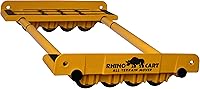
Plan how to get the safe into place without straining yourself or damaging the floor. A safe-moving dolly for heavy safes can help with moving equipment, while how to move a heavy safe covers basic planning and precautions.
How do you choose anchors for concrete, wood, or tile?
Choose fasteners for the floor’s structure and the safe’s mounting holes. Check the safe manual and the fastener maker’s instructions for the required hole size, depth, and installation method.
For a concrete slab, use anchors designed for concrete and compatible with the safe’s holes. The right anchor type and size depend on the concrete and the fastener maker’s directions.
For a wood floor, the fasteners need to reach sound framing or another solid structural support. A fastener secured only to thin flooring may not hold the safe in place.
Tile is a surface finish, so identify what lies beneath it before choosing fasteners. Use a drill bit and method intended for the tile, and avoid placing holes close to tile edges where it may crack.
If the floor is suspended, damaged, or unfamiliar, ask a qualified installer to assess it. You can also compare bolt-down safes for the home before choosing a safe and location.
How do you bolt a safe to a concrete floor?
Position the safe, mark its mounting holes, drill to the anchor instructions, and tighten the fasteners evenly. Keep the safe level and stop if the bit hits an unexpected obstruction.
- Empty the safe and place it where you plan to keep it.
- Open the door and check that you can reach every mounting hole.
- Mark the hole locations through the safe’s mounting points.
- Move the safe aside and confirm there are no pipes or wires below.
- Drill the holes with the bit and depth specified for the anchors.
- Clear dust as the anchor instructions direct.
- Return the safe to position and install the anchors through its mounting holes.
- Tighten each fastener evenly, following the safe and anchor instructions.
Don’t guess at hole depth or force an anchor that does not fit. If the holes don’t line up or an anchor spins, stop and check the instructions before continuing.
How do you anchor a safe to a wood floor?
Fasten the safe into sound structural framing, using hardware that suits the floor and the safe’s mounting points. Check what is below the floor before drilling, especially in rooms with wiring or plumbing.
Locate the framing and make sure the safe’s mounting holes can reach it. If the holes fall between supports, don’t rely on the floorboards alone; ask an installer about a suitable anchoring plan.
Use fasteners with the type and length recommended for the safe and floor structure. Tighten them securely without stripping the wood or damaging the safe.
If you rent, check your lease and ask the property owner before making permanent holes. For a broader placement checklist, see how to install a safe at home.
What if the floor is tile or another finished surface?
Drill through the finish with a method suited to that material, then anchor into the structure below. Protect the surface, follow the bit maker’s instructions, and avoid drilling close to edges or grout lines.
Mark the holes carefully and confirm the safe will sit flat when installed. A safe that rocks can put uneven pressure on the floor and mounting points.
Don’t use a hammer action on tile unless the drill and bit instructions say it is suitable. If you are unsure how the finished floor meets the subfloor, have an installer inspect it before drilling.
Which safe products include mounting hardware?
Included hardware can help with mounting, but you still need to confirm it suits your floor. These safes have features relevant to anchoring, though the floor and installation instructions determine which fasteners to use.
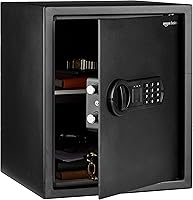
The Amazon Basics safe has a 1.52 cubic foot capacity and an interior shelf. Confirm that its mounting holes and hardware fit your planned installation.
The SentrySafe chest is a compact fireproof document box with a key lock. Its instructions say to store it closed and locked, with the feet down and the key plate facing out.
The Yuanshikj safe is a small steel box with an electronic keypad and emergency keys. Check its dimensions and mounting arrangement against your available space before choosing a location.
What should you check after anchoring a safe?
Check that every fastener is tight, the safe sits level, and the door opens and locks as intended. Give the safe a careful push from several sides to see whether it shifts or rocks.
Inspect the mounting points and floor around them for cracks, looseness, or damage. Stop using the installation if an anchor moves or the safe no longer sits flat, then correct the problem before storing valuables.
Keep the combination or keys accessible to authorized users after installation. If the safe is in a basement or near a floor drain, consider moisture exposure and follow the safe’s care instructions.
For an in-ground model, compare floor safe covers that fit its opening.
Should you bolt a safe to an upper floor?
Check the floor’s capacity and structure before placing and anchoring a heavy safe upstairs. The safe, its contents, and the fasteners all add weight to one area of the floor.
Ask a qualified professional if you can’t confirm the framing or floor condition. Review what to check before putting a heavy safe on an upper floor for factors to consider.
Which floor-anchoring method should you choose?
Choose concrete anchors for sound concrete and suitable structural fasteners for wood framing. For tile or other finished floors, identify the structure beneath the surface and use a drilling method that protects the finish.
Skip drilling if you can’t rule out pipes or wires, or if the floor is damaged or unfamiliar. If you’re deciding between installation types, compare a wall safe and a floor safe or review floor safes for business.
Measure first, follow the safe and fastener instructions, then check that the safe is stable and level. The goal is a secure anchor that fits both the safe and the floor.
Frequently asked questions
Can you bolt a safe to a wood floor?
Yes, if you can fasten the safe into sound floor framing with hardware suited to that structure. A thin floorboard alone may not provide a secure hold.
Check below the floor for wiring and plumbing, locate the joists, and follow the safe and fastener instructions before drilling.
What bolts should I use to anchor a safe?
Use fasteners that match both the safe’s mounting holes and the floor material. Concrete typically needs concrete anchors, while wood floors need a secure connection to sound framing.
Check the safe manual and fastener maker’s guidance for diameter, length, hole size, and installation steps.
Can you bolt a safe to tile?
You can anchor through tile if the floor beneath it can support the fastener and you use a drilling method suited to the tile. Avoid drilling near tile edges, use the right bit, and prevent the safe from resting unevenly.
Check for pipes or wires below before drilling.
Should a safe be bolted down?
Bolting can make a safe harder to move or carry away, provided the floor and anchors are suitable. It also limits where you can place the safe and may affect flooring or access below.
Consider the safe’s weight, location, floor construction, and any lease or building rules.