How to Install a Wall Safe
Check the wall cavity and safe instructions before cutting. Find the studs, wiring, and plumbing, confirm the safe fits between the framing, then fasten it as directed for that wall.
On this page (8 sections)
- What should you check before wall safe installation?
- How do you choose a safe location?
- How do you mark and cut the opening?
- How do you secure a recessed wall safe?
- How can you finish around the safe?
- Which products fit this installation guide?
- What should you check after installation?
- How do you decide whether to install it yourself?
Wall safe installation starts with checking the wall cavity, locating the studs, and verifying the safe's fit before cutting. Once you know the opening is clear and suitable, cut carefully and fasten the safe using the maker's instructions for that wall type.
A recessed safe can use space inside a wall, but the cavity may hide wiring, plumbing, insulation, or framing that must stay intact. If you can't confirm what's behind the wall, ask a qualified installer to inspect it.
What should you check before wall safe installation?
Before wall safe installation, confirm the safe dimensions, required opening, wall depth, and clear space between studs. The safe's instructions should identify the opening and mounting method; don't guess from the visible door size.
Measure the safe body, not just the front. Check how far the door and handle project, whether the door can open fully, and whether nearby trim, furniture, or a doorway will block access.
Look at both sides of the wall. Outlets, switches, plumbing fixtures, vents, and radiators can signal that wires or pipes run through the cavity.
Use a stud finder to locate framing and check for electrical lines, but treat its reading as a guide rather than proof the cavity is clear. A tool can miss or misread hidden objects.
Is a wall safe the right type for this location?
A wall safe is suited to a wall cavity that can accept its body and be secured as instructed. If you are comparing concealed wall storage with a safe set into a floor, read what is the difference between a wall safe and a floor safe.
Don't cut into a structural stud, post, or other framing member to make a safe fit. A tight cavity or a wall with unknown construction is a reason to stop and get qualified help.
How do you choose a safe location?
Choose a location where the full safe body fits without damaging framing or hidden services. An accessible interior wall may be easier to inspect than an exterior wall, which can contain insulation and weather layers.
Keep the opening away from switches, outlets, and plumbing fixtures. Check the other side of the wall too, especially if it contains a cabinet, appliance, or bathroom fitting.
Plan for the door swing and for the items you intend to store. A location that hides the safe but leaves the door blocked can make regular access difficult.
Can a wall safe go in an exterior wall?
An exterior wall can have insulation, a vapor barrier, wiring, or plumbing behind its surface. Don't remove or cut those layers unless the safe's instructions and a qualified assessment confirm a suitable installation method.
A wall that looks empty from the room may still have important components inside. If you can't verify the cavity safely, choose another location or have a professional inspect it.
How do you mark and cut the opening?
Mark the opening using the dimensions and template supplied for the safe. Check the marks against the stud locations and cavity one more time before making a cut.
Protect the floor and nearby surfaces, and use eye protection and a dust mask suited to the wall material. Turn off power to nearby circuits before working near possible electrical wiring.
Start with a small inspection opening only after checking for hazards. If you find wiring, pipes, insulation, or unexpected framing, stop instead of cutting around it or moving it yourself.
Cut the wall material in a controlled way, keeping the cut inside the marked outline. Avoid cutting framing members.
Don't enlarge the opening until the safe body fits according to its installation instructions.
How do you secure a recessed wall safe?
Secure the safe with the mounting points and fasteners specified for your wall construction. A close fit in the opening doesn't secure the safe by itself.
Follow the instructions for the safe's orientation, clearance, and fastening sequence. Use the recommended fasteners for the material and framing, and don't replace them with generic screws or anchors without confirmation from the maker.
A larger floor safe is a different installation choice and may suit a room where a wall cavity isn't appropriate. The best floor safe for business guide can help compare that option.
What if the wall is masonry or has unusual framing?
Masonry, metal studs, and unusual framing may need a different mounting method from standard wood framing. Follow the safe instructions for that surface and consult a qualified installer if they don't cover your wall type.
Don't rely on drywall anchors to hold a safe unless the maker specifically approves them for the installation. The safe and its contents can put substantial force on the mounting points.
How can you finish around the safe?
Finish the area only after the safe is fastened and its door opens and closes freely. Keep drywall dust, paint, and trim debris out of the lock and hinges.
A cover can help the safe blend with the room or protect its face from dust. See how to choose a wall safe cover for options that suit the location and access needs.
Don't seal over vents, service points, or parts that the instructions say must remain accessible. Check the door alignment again after trim or other finishing work.
Which products fit this installation guide?
These products are floor safes, so they aren't substitutes for a recessed wall safe. They can be useful if your wall cavity can't support the installation or you decide a floor-mounted option works better.
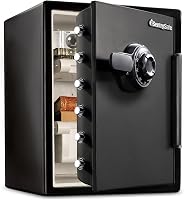
The SentrySafe has a preset dial combination, steel construction, and a 2.05 cubic foot capacity. Its fire and water protection ratings apply to the safe as described by SentrySafe, not to the wall or the installation.
The Aprxuvot is a 5.2 cubic foot safe with a digital keypad, spare keys, removable shelf, and alarm system. Its size makes it important to confirm the intended mounting surface and clearance before choosing a location.
Yale's safe has a mechanical key lock and includes floor fixing bolts. For other floor installations, compare floor safe covers if you need a cover for the finished setup.
What should you check after installation?
After installation, test the door and lock according to the safe's instructions before storing valuables. Confirm the door moves freely, the safe is firmly secured, and the opening hasn't shifted during finishing.
Keep keys or access details in a separate, secure place. Avoid storing emergency keys inside the safe if they are needed to open it.
If the safe rocks, binds, or pulls away from the wall, stop using it until the fastening and opening are corrected. Ask a qualified installer to inspect any movement or damage.
How do you decide whether to install it yourself?
Install a wall safe yourself only if you can confirm the cavity is clear, the opening matches the instructions, and the safe can be fastened to suitable framing. Stop if you find a hidden service, structural member, or wall material the instructions don't cover.
Choose a professional when the wall is structural, the cavity is uncertain, or the safe is too heavy or awkward to position safely. The right decision is the one that protects the wall and leaves the safe firmly secured.
Frequently asked questions
Can you install a wall safe between studs?
Many recessed wall safes are designed to fit between studs, but check the safe's outside dimensions and required opening before cutting. Confirm the stud spacing, wall depth, wiring, plumbing, and any blocking in the cavity.
Follow the safe maker's fitting instructions for the exact framing and fasteners.
How do you find wiring or pipes before cutting a wall?
Use a stud finder with wire detection and inspect both sides of the wall for outlets, switches, plumbing fixtures, and other clues. Detection tools can miss hazards, so turn off power to nearby circuits and use a small inspection opening only after checking the area.
Call a qualified professional if the cavity is uncertain.
Can a wall safe go in an exterior wall?
An exterior wall may contain insulation, vapor barriers, wiring, pipes, or structural framing that complicates a recessed safe. Check local requirements and the safe's instructions, and don't cut through structural members or weather layers without qualified advice.
An interior partition with a clear cavity is often easier to assess.
Do wall safes need to be bolted in?
Secure the safe using the mounting points and fasteners specified by its maker for the wall construction. A snug opening alone doesn't prevent removal.
The right method depends on the safe design and the framing or masonry, so don't substitute generic screws or anchors for the fitting instructions.