How to Replace a Honeywell Safe Lock
A Honeywell safe lock replacement must match the safe’s exact model and lock assembly. Check the model label and manual, then ask Honeywell or a qualified safe technician to confirm compatibility before ordering or replacing parts.
On this page (7 sections)
- How do you identify a compatible Honeywell safe lock replacement?
- What should you check before replacing the lock?
- When should you call a safe technician?
- Can you replace an electronic lock with a mechanical one?
- When is replacing the whole safe the better choice?
- What information should you give Honeywell or a technician?
- What is the safest way to decide?
A Honeywell safe lock replacement must match the safe’s exact model and lock assembly. Check the model label and manual, then ask Honeywell or a qualified safe technician to confirm compatibility before ordering parts or starting work.
A lock may need replacement because its keypad, dial, or internal mechanism has failed, but a low battery or incorrect code can look like a lock problem. Start with the safe’s own troubleshooting instructions and identify the model before deciding whether you need a part, service, or a new safe.
How do you identify a compatible Honeywell safe lock replacement?
Match the replacement to the safe’s exact model and existing lock type. A keypad or dial that looks similar does not confirm that its mounting, wiring, or boltwork will fit.
Look for the model number on the safe’s label, owner’s manual, warranty papers, or original packaging. Record the lock style and any part number visible on the keypad or dial, but don’t remove the lock to search for a number while the safe is closed.
Contact Honeywell support with the model number and a clear description of the issue. Ask whether a replacement assembly is available for that model, whether it requires a technician, and whether replacing it affects the safe’s warranty.
If you’re comparing mechanical options, our guide to best safe combination lock replacement explains what to consider. The best replacement mechanical locks for safes may help if a technician confirms that a mechanical assembly suits your safe.
What should you check before replacing the lock?
Rule out simple causes using the manual before treating the lock as failed. Replace batteries only as directed, enter the code carefully, and use the documented emergency access method if your model has one.
For an electronic lock, check whether the manual specifies a battery type, battery location, or reset sequence. A keypad that has no power may need fresh batteries; that does not prove the lock assembly needs replacement.
For a mechanical lock, confirm that you’re turning the dial in the correct sequence and direction. Don’t force a dial that binds, and don’t keep trying combinations if the manual warns that repeated incorrect entries can affect access.
Write down what happens and when it started. For example, note whether the display lights, whether an accepted code produces a sound, or whether the dial turns freely; those details can help support staff narrow down the problem.
When should you call a safe technician?
Call a qualified safe technician if the safe is locked, the lock is damaged, or the repair requires opening the safe. A technician can identify the installed assembly and assess whether it can be replaced without damaging the safe.
Ask the technician to confirm the Honeywell model, lock type, replacement part, and any warranty implications before work begins. Request an estimate and ask what information they need to verify the job.
Don’t drill, pry, or remove an attached keypad to gain access. Those actions may damage the door or boltwork and can make a straightforward service call more complex.
If you want to compare keypad styles before speaking with a technician, see best electronic keypad for gun safe. A keypad guide can help you understand features, but it cannot guarantee fit for a Honeywell safe.
Can you replace an electronic lock with a mechanical one?
A conversion is appropriate only when the safe maker or a qualified technician confirms compatibility for your model. Mechanical and electronic assemblies can differ in mounting, dial clearance, wiring, and how they connect to the safe’s boltwork.
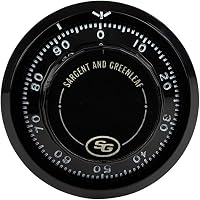
A complete mechanical kit may be useful for a compatible installation. The Sargent & Greenleaf S&G Model 6730-100 includes a Group 2 combination lock, D300 dial, dial ring, and mounting hardware; its three key-changeable metal wheels support combination changes at the lock.
The kit’s features don’t establish that it fits a particular Honeywell safe. Ask the technician to confirm the required lock specification and compatibility before buying.
When is replacing the whole safe the better choice?
Compare repair with replacement when the safe has other damage, the correct assembly is unavailable, or service costs approach the value of a suitable new safe. The right choice depends on the safe’s condition, contents, and the replacement options confirmed for your model.
A replacement safe does not preserve the old safe’s fire or security rating automatically. If you’re storing paper records, read Can a Fire-resistant Document Bag Replace a Rated Home Safe? before deciding what level of protection you need.
For a small cash-storage setup, compare your needs with a safe for cash drawers. The size and installation method should fit the storage area and the way you access cash.
If you already know you want an electronic keypad, compare available safe designs and their access methods before choosing. The Amazon Basics Steel Security Safe and Lock has an electronic keypad, two emergency override keys, and pre-drilled mounting holes.
This safe is a separate storage option, not a replacement lock for a Honeywell safe. Keep its override keys in a secure location, as its instructions recommend.
The Amazon Basics Steel Home Security Safe Box has a programmable electronic keypad, a backup key, and pre-drilled mounting holes with hardware for wall or floor mounting. Compare home safes with shelves if organized storage matters.
It is also a separate safe, not a Honeywell lock assembly. Check dimensions and installation needs before deciding whether a new safe suits your space.
Other storage choices can affect which safe you need. A best gun safe door organizer may help organize a compatible gun safe, while our best small gun safe guide covers compact options.
For cash handling, see best cash box insert tray if an insert tray addresses the storage problem without replacing a safe.
What information should you give Honeywell or a technician?
Share the model number, lock type, and symptoms before requesting a replacement. Clear details make it easier to confirm the right service path without removing parts first.
Have the safe’s paperwork nearby and describe whether the lock is electronic or mechanical. For an electronic lock, note the battery status and any display or sound; for a mechanical dial, describe whether it turns smoothly and whether the usual sequence works.
Ask these questions before agreeing to service:
- Is this lock assembly compatible with my exact model?
- Is the replacement part available, and who can install it?
- Could the work affect the warranty?
- What should I do if the safe is currently locked?
- What documentation or proof of ownership do you need?
Follow the maker’s instructions for identity or ownership checks. Don’t share a safe combination in an unsecured message.
What is the safest way to decide?
Confirm compatibility first, then choose between a supported replacement and a new safe. Use the model number and symptoms to get a clear recommendation from Honeywell or a qualified safe technician.
If the safe opens and the issue appears limited to a replaceable lock, ask whether a matching assembly is available and who should install it. If the safe is locked, damaged, or unsupported, get a service assessment before buying parts or attempting access.
Choose a replacement safe if repairs are unavailable or don’t make sense for your situation. Compare its mounting, access method, capacity, and protection needs with the safe you’re replacing.
Frequently asked questions
Can I replace a Honeywell safe lock myself?
Sometimes, but first confirm that the replacement assembly matches your exact safe model and follow the safe maker’s instructions. If the safe is locked, the lock is damaged, or you cannot identify the mounting and wiring, contact Honeywell support or a qualified safe technician before removing parts.
How do I find the right replacement lock for a Honeywell safe?
Find the safe’s model number on its label or paperwork, then ask Honeywell or a safe technician to match the lock assembly. A keypad that looks similar may use different mounting, wiring, or boltwork, so appearance alone cannot confirm compatibility.
Can I change an electronic Honeywell safe to a mechanical lock?
Only if a compatible conversion is approved for your exact safe model. A mechanical lock may need different mounting, dial clearance, and boltwork alignment; ask Honeywell or a qualified technician to confirm whether the conversion is supported and what parts it requires.
What should I do if my Honeywell safe keypad stops working?
Check the manual for battery replacement and emergency access steps first. If the safe remains locked, the keypad is loose, or the lock does not respond after the approved steps, contact Honeywell support or a qualified safe technician rather than forcing the door or drilling.