How to Choose a Cash Box for Bills Only
For bills only, choose a cash box with a flat lower compartment or a tray sized for your notes. Measure your usual bills and check the usable space, since coin dividers can limit how notes lie.
On this page (6 sections)
For a cash box for bills only, look for a flat compartment that fits your notes without folding, then choose a tray layout that keeps bills easy to count. If you don't need coin dividers, a removable tray or open lower space can be more useful than several small compartments.
Measure the bills you use and compare that length with the box's usable interior. Also consider whether you need space for receipts, checks or a cash float, even if coins won't go inside.
A lockable cash box can organize money and provide basic privacy, but it isn't a substitute for a safe or a way to secure cash against theft. For shared cash handling, compare a best petty cash box guide to see what layouts suit regular deposits and small business use.
What should you check in a cash box for bills only?
Choose a box by bill fit, tray layout and usable depth. These details decide whether notes can lie flat and whether you can sort denominations without adding clutter.
Check the box's interior width and depth, not just its outside size. A box can look roomy from the outside while its tray compartments leave little flat space for longer notes.
Consider these questions before choosing:
- Will your notes lie flat? Compare their length and width with the tray compartments or lower storage area.
- Do you need denomination sections? A tray can make counting easier, but narrow sections may not fit all your bills flat.
- Will you store receipts or checks? A lower compartment gives those papers a place separate from the notes.
- Do you need access while working? A removable tray lets you reach the lower space, though you may need to lift it to get there.
- Will you carry the box? A handle and manageable size can help when the box moves between rooms or event locations.
A flat open section works well when bills are the only contents. If you also sort coins, choose a tray with dedicated spaces so change doesn't mix with paper money.
How do you measure bills before buying?
Measure the longest note you plan to store and check whether it fits inside the bill compartment without bending. Include the space needed for a small stack, since a compartment that fits one note may be awkward when full.
For example, the KYODOLED small box has a removable tray with 5 compartments. Its product description says the tray is sized for folded bills, while notes about 6.14 in long fit in the lower space when unfolded, so check which layer you plan to use.
Don't assume every compartment is designed for bills only. Some cash trays are made mainly for coins, with a separate area for notes.
Are bill compartments or an open tray better?
Bill compartments help when you sort notes by denomination, while an open tray suits a single stack or mixed bills. Choose the layout that matches how you count and replenish cash.
A divided tray keeps separate stacks from shifting into one pile. It can also speed up a quick count when you use the same denominations often.
An open tray gives you more flexibility for longer notes, folded bills or a stack that changes size. If the tray comes out, you can use the lower area for larger amounts or supporting papers.
The trade-off is access. With a two-layer box, you may need to remove the tray to reach the bottom, and a divided upper tray can reduce the space available for flat notes.
Should you remove the tray?
Remove the tray if your notes need more width or if you want one open area for bills. Keep it in place if its sections help you separate denominations or keep a small float organized.
A tray can also leave lower space for receipts, checks or other small items. If you don't plan to store those items, compare the usable space with the tray removed and decide which setup keeps bills easiest to reach.
Which cash box layout fits your routine?
Choose a box based on how much cash you handle and how often you move it. The examples below cover a larger tray, a compact divided box and a small box with a removable coin tray.
SentrySafe: larger removable tray and lower storage
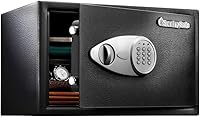
The SentrySafe suits a routine that needs a removable tray for bills and coins, plus open space underneath for additional items. Its interior measures 11.625 in wide by 9.75 in deep, so compare those dimensions with your notes and the way you plan to stack them.
The box has a carrying handle and includes 2 keys. Its 4 lb weight makes portability a consideration if you plan to carry it often.
Choose it if you want one roomy compartment below a removable organizer. For bills only, check whether the tray's layout leaves a suitable flat area for your notes.
If the box will sit in a drawer, compare its exterior size with the available space in our best cash box for drawer guide.
KYODOLED small: five compartments in a compact box
The KYODOLED small box suits modest cash storage when separate tray sections are useful. It measures 7.87 x 6.30 x 3.54 in externally and has a removable tray with 5 compartments.
The product description says the tray fits folded bills, while the lower area can hold unfolded notes about 6.14 in long. That makes the lower space the detail to check if you want bills to lie flat.
Choose it for a small float or limited cash handling, especially if denomination sections help you count. If your notes must stay unfolded, compare their length with the lower compartment before deciding.
KYODOLED large: more room for bills and other small items
The KYODOLED large box offers a removable tray with 5 compartments and lower storage. Its outside measurements are 9.84 x 7.87 x 3.54 in, so compare the interior room and compartment dimensions with your notes.
The handle supports carrying the box, and it comes with 2 keys. The brand describes the lower area as suitable for checks, receipts or small valuables, alongside cash storage.
Choose it if you need more room than a small box provides and want a divided tray above open storage. Since the available dimensions are outside measurements, confirm the usable bill area before relying on a particular note fit.
For a different operating style, see our guide to choosing an electronic cash box.
How much security does a cash box provide?
A key lock offers basic privacy and access control, but a portable cash box is still easy to carry away. Keep only the amount you need for the task and store the box somewhere access is limited.
These boxes use keys, so plan where to keep the spare. A lock doesn't make a cash box fireproof or theftproof, and it doesn't anchor the box to a fixed surface.
If you need storage that stays in one place, compare a best under bed safe for larger valuables or cash. A book safe for a gun is a different type of concealed storage and should not be treated as a firearm safe.
For routine cash deposits, a floor safe with a drop slot may fit the task better than a portable box. Choose storage based on the amount, access pattern and installation needs.
How should you compare cash boxes for bills?
Compare usable flat space first, then weigh the tray layout and portability. The right box should fit the notes you handle without forcing you to fold them or lift layers more often than your routine allows.
Use this short checklist:
- Measure your longest notes and compare them with the bill area.
- Check whether the upper tray is divided into spaces that suit notes, coins or both.
- Decide whether you want an open lower compartment for unfolded bills or receipts.
- Check the outside dimensions against your drawer, shelf or storage spot.
- Consider whether you need a carrying handle and how you'll store the keys.
If you are comparing brands, our best Honeywell cash boxes guide can help you review another set of options.
Which cash box should you choose for bills only?
Pick a flat open compartment if you want notes to lie unfolded, or a divided removable tray if you sort cash by denomination. Match the bill area to your longest note, then choose the smallest box that leaves enough room for your usual stack.
The SentrySafe has a larger removable tray and lower storage, the KYODOLED small box has a compact 5-compartment tray, and the KYODOLED large box adds a larger outer footprint with the same divided-tray idea. Check the usable dimensions for the layer where your bills will sit before choosing a cash box for bills only.