How to Choose a Floor Safe with a Drop Slot
Choose a floor safe with a drop slot when you need to deposit items without opening the main door. Match the slot to what you deposit, then confirm how the contents are retrieved and whether the safe can be installed securely in your intended location.
On this page (8 sections)
- How does a floor safe with a drop slot work?
- Who benefits from a drop-slot floor safe?
- How do you compare slot access and main-door access?
- What installation requirements affect a floor safe?
- Which safe features matter beyond the slot?
- How can you set a deposit routine?
- What should you ask before choosing a drop-slot safe?
- How do you choose a floor safe with a drop slot?
A floor safe with a drop slot suits frequent deposits when you need to put items away without opening the main door. Match the slot to the size and type of deposit, then check how you retrieve contents and install the safe.
A slot can save time in a home office or business, but it adds a separate access point to evaluate. Before choosing a design, decide who can deposit items, who can open the safe and how often you need to collect what goes inside.
For a broader view of placement and concealment, compare a best floor safe for home with a wall-mounted option. Our guide to what is the difference between a wall safe and a floor safe? explains the basic placement trade-offs.
How does a floor safe with a drop slot work?
A floor safe with a drop slot lets you deposit items through an opening while keeping the main door closed. The safe still needs a separate way to retrieve those deposits, so confirm who holds access and how the collection routine works.
The slot may feed into the safe's main storage area or into a separate compartment. These designs affect how deposits stack, whether they can be reached through the opening, and what must happen to remove them.
Treat deposit access and retrieval access as two different jobs. A slot that is convenient for staff may still leave one person responsible for opening the safe and reconciling its contents.
What should you check about the slot?
Check the opening dimensions and path into the safe against the largest item you expect to deposit. Envelopes, folded papers and small packets need different openings, and a deposit should pass through without bending or getting stuck.
Ask whether the slot has a baffle, chute or other barrier that limits reach-through access. If the design details are unclear, get them from the maker before you buy.
Also check whether deposits land in an organized compartment or directly among stored items. A separate collection area can make sorting easier, while a shared interior may require more frequent handling to keep deposits from getting mixed with other contents.
Who benefits from a drop-slot floor safe?
A drop-slot floor safe is most useful when several people need to deposit small items but only an authorized person should open the safe. It can fit routines involving payments, keys or documents, as long as the opening and collection process suit the task.
Consider the full path from deposit to removal. If each deposit needs immediate sorting or a receipt, a slot may create extra work rather than save time.
| Routine | Why a slot may help | What to confirm |
|---|---|---|
| Daily cash deposits | Staff can deposit without opening the main door | Who collects deposits and how often |
| Shared key returns | Users can return keys outside office hours | Whether the opening fits the keys and key tags |
| Document drop-off | Papers can be stored between scheduled collections | Whether the opening accepts the largest folded or flat document |
| Occasional home use | Deposits can stay out of sight between access times | Whether a slot is useful enough to justify the design |
A drop slot is not automatically the right choice for large files, bulky objects or valuables that need quick retrieval. If you need access throughout the day, consider a lock and access routine that serves that need directly.
For a workplace, see our guide to the best floor safe for office to compare safe choices around staff access and daily use. If capacity and a heavier build matter more, review the best heavy duty floor safe.
How do you compare slot access and main-door access?
Compare who can deposit, who can retrieve and how often retrieval happens. The right setup keeps deposits convenient while giving the person responsible for collection control over the main safe.
Some safes are built with a separate deposit compartment, while others route items into the main storage space. A separate compartment can help keep new deposits apart from stored valuables, but it may have its own capacity and access limits.
Ask these questions before settling on a design:
- Can deposits be made when the safe's main door is locked?
- Does each deposit fall into the intended compartment?
- Can someone reach stored items through the slot?
- Who controls the key or combination for collection?
- Can the person collecting deposits open the safe without moving it?
- Does the safe have enough room for the expected deposits between collections?
If one person makes deposits and another reconciles them, set a simple schedule. A clear collection routine reduces the chance that a full compartment or unrecorded deposit becomes a problem.
What installation requirements affect a floor safe?
A floor safe needs a location that fits its dimensions, allows access and supports the installation method. Check the manual before deciding where it will go, especially if you plan to anchor it or place it in concrete.
Measure the safe's outside width, depth and height, then measure the full route to the installation spot. Include doorways, turns and any steps that could limit delivery or moving.
Plan room for the safe door to open and for you to use the lock. If the slot faces a wall or sits under furniture, confirm that deposits can reach it comfortably.
Can you install a floor safe in concrete?
Some floor safes are designed to be set into concrete, while others are meant to sit on the floor and may include bolt-down hardware. Follow the model's instructions rather than assuming all floor safes install the same way.
Before cutting or drilling, check for pipes, wiring and other obstructions, and confirm that the floor and location meet the safe maker's requirements. A contractor may be needed for work involving concrete or structural changes.
For bolt-down installation, confirm where the safe's holes are located and whether the mounting surface supports the specified hardware. A safe's weight alone does not tell you how secure or suitable the installation will be.
How do placement and door swing affect access?
Placement affects both the deposit slot and the main door. Leave enough space to reach the slot, operate the lock and open the door fully for collection.
A tight corner can make daily use awkward even when the cabinet fits. Check for nearby furniture, doorways and obstacles that could block the safe door or restrict the route for removing contents.
If the safe is concealed, keep access practical for the authorized person. A hidden location should not prevent safe installation or make routine deposit collection difficult.
Which safe features matter beyond the slot?
The slot handles deposits, but the safe's lock, capacity, construction and installation features affect its broader fit. Compare those details against what you store and how the safe will be used.
A small slot does not tell you how much the safe holds or how it is secured. Check the usable interior measurements and make sure larger items can enter through the main door.
For protection claims, read the maker's stated test standards and conditions. A fire or water claim applies only to the specific model and stated conditions; it does not make every safe suitable for every hazard.
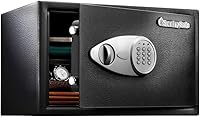
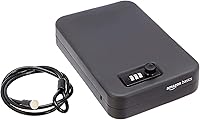
Here are 3 safes to compare for general storage and installation needs. None of the three below is described here as having a drop slot, so confirm that feature separately if it is essential.
These examples show why it helps to compare the whole safe rather than focus on the opening alone. Verify that the model you choose has the drop-slot design, slot dimensions and retrieval method your routine requires.
How can you set a deposit routine?
A deposit routine should make it clear who uses the slot and who empties the safe. Set the collection schedule before the first deposit, and decide how you will record what enters the safe.
For a shared workplace, limit the number of people who can access the main door. Keep the combination or key with the person responsible for collection, and update access if that responsibility changes.
You can make the process easier to follow with a short written procedure:
- Confirm which items belong in the safe.
- Keep items within the slot's size limits.
- Record deposits if your process requires it.
- Collect items on a set schedule.
- Check that the slot and collection area remain clear.
Don't use the slot for items that need immediate protection or retrieval if the safe is not close at hand. A deposit box is only useful when its collection routine matches the urgency of what goes inside.
What should you ask before choosing a drop-slot safe?
Ask about slot dimensions, reach-through protection, compartment layout, retrieval access and installation before you buy. These answers determine whether the safe fits your daily process.
Use this checklist when comparing models:
- What are the opening dimensions?
- Where do deposits land?
- Is there a separate compartment?
- How do you empty the compartment?
- What limits access through the slot?
- What lock controls the main door?
- What mounting method does the maker support?
- What clearances and floor conditions are required?
If the maker cannot confirm an important detail, treat it as unresolved and compare a model with clear documentation. Measure the installation spot and route before ordering, especially for a large or heavy cabinet.
How do you choose a floor safe with a drop slot?
Choose a floor safe with a drop slot by matching the opening, collection access and installation plan to the way you'll use it. If a wall installation suits your layout better, compare wall safes with drop slots.
Pick a separate deposit compartment when you need deposits kept apart, and confirm who controls retrieval.
If you need a broader comparison of placement and storage, start with our in-ground floor safes for home guide. Before buying, verify the model's slot design and installation requirements with the manufacturer.
Frequently asked questions
What is a drop slot on a safe?
A drop slot is an opening for depositing items into a safe without opening its main door. Check the opening size, how items land inside, and whether someone can reach through it.
Confirm how you retrieve deposits, since access may require opening the main door or a separate compartment.
Are floor safes with drop slots suitable for cash deposits?
They can suit routine deposits of cash or other small items if the slot accepts the size and shape of what you handle. Before choosing one, confirm who can open the safe, how often deposits are collected, and whether the installation location supports secure access and removal.
Can a floor safe be installed under a desk?
A floor safe can go under a desk only if its dimensions, door swing, access path and installation method fit the space. Measure the safe and room around it, including room to operate the lock and remove contents.
Follow the safe maker's installation instructions and check whether the floor can support the setup.
Does a drop slot make a safe more secure?
A drop slot changes how you deposit items, but it does not by itself show how resistant the safe is to entry. Check the slot's design, main-door lock, anchoring options and installation guidance.
Keep deposits small enough to pass through without forcing them or leaving the opening obstructed.
What should I check before buying a floor safe?
Check the safe's exterior dimensions, interior space, lock type, deposit opening, retrieval method and installation requirements. Measure the doorway and the final location, then confirm door clearance and whether the floor can take the safe and its contents.
Choose capacity for what you actually plan to store.