Home Safe vs Safe Deposit Box: Which Should You Choose? (November 2026)
Choose a home safe for items you need at home, and a safe deposit box for valuables you rarely need and can store off-site. Your choice depends on access, the items you need to protect, and how you'll manage the limits of each option.
On this page (9 sections)
- Home safe vs safe deposit box: what is the main difference?
- When is a home safe the better choice?
- When is a safe deposit box the better choice?
- How do access and storage limits compare?
- How does protection differ between the two options?
- What are the trade-offs of keeping valuables at home?
- Can you use both a home safe and a safe deposit box?
- How should you choose between a deposit box and a home safe?
- Final choice: home safe vs safe deposit box
Choose a home safe for items you need at home, and a safe deposit box for valuables you rarely need and can store off-site. In a home safe vs safe deposit box decision, weigh access, storage limits and the protection each option offers for the specific items you own.
A home safe keeps selected belongings within reach, but its location and installation matter. A safe deposit box moves items outside your home, which adds travel and depends on the bank's access rules.
There's no single choice for every household. You can also use both, keeping everyday essentials at home and less-used items off-site.


Home safe vs safe deposit box: what is the main difference?
A home safe is under your control at home, while a safe deposit box is stored at a bank or other institution. That changes how quickly you can reach your belongings and what you can store conveniently.
A home safe can hold items you may need outside business hours, such as emergency cash, household records or jewelry. You choose where it goes, how to organize it and who knows its access method.
A safe deposit box is a separate storage space you access through the institution. It can make sense for items you don't need often, but you'll need to travel there and follow its opening hours and procedures.
Neither option removes the need to plan. Decide which items need quick access, then compare the location, capacity and protection of the storage option.
When is a home safe the better choice?
Choose a home safe when you want regular access to selected valuables without leaving home. It can keep important belongings together, provided you choose a suitable safe and install it with care.
A home safe may suit documents you consult, small valuables, backup keys or cash set aside for emergencies. For models suited to paper records, see home safes for documents.
It can also help keep items away from visitors or children when placed and managed responsibly.
Home safes vary in size, lock type, construction and stated protection. For a brand-specific shortlist, compare Honeywell home safes.
A compact document chest won't hold the same items as a larger cabinet safe, and a drop safe is designed around deposits.
For an overview of types of home safes, match the design to the items and access pattern you have. The difference between a security cabinet and a home safe can also help clarify what kind of storage you need.
Which home safe fits frequent access?
A keypad or key lock can make home access straightforward, while a deposit slot suits repeated cash or document drops. Pick a layout that matches how you use the contents.
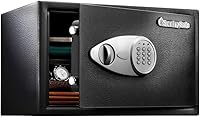
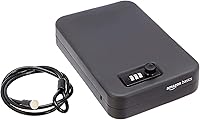
The Amazon Basics Steel Home Security Safe Box has a programmable electronic keypad, backup key and interior shelf. Its 1.8 cubic feet of capacity can suit mixed household items you want to reach regularly.
For regular deposits, the KAER 2.8 Cuft Drop Safe for Small has a drop slot and offers code or emergency key access to the main compartment. For business cash handling, compare cash deposit safes for business.
The VEVOR Digital Depository Safe 1.7 Cubic Feet also accepts cash and documents through a slot, with two code sets and two emergency keys.
A deposit slot can limit the size and shape of what you can add. For other ways to separate cash and records, see how a deposit safe differs from a document safe.
What should you consider before installing a home safe?
Measure the safe and its route into the home, then plan how to secure it. A safe that's too large for its intended spot or difficult to install can be inconvenient to use.
Check the outside dimensions, door swing and clearance around the chosen space. Consider whether the floor or wall can support the safe and whether the mounting method suits the surface.
The Amazon Basics model includes pre-drilled mounting holes and hardware for floor or wall mounting. The KAER safe has holes on the back and bottom, while VEVOR describes mounting to a wall, floor or cabinet.
Follow each safe's instructions and choose an installation that suits your home. Our guide to how to buy a home safe covers capacity, lock types and placement questions to consider before you choose.
When is a safe deposit box the better choice?
Choose a safe deposit box for items you rarely need and prefer to store away from your home. It can reduce the number of valuables kept at home, though access depends on the institution.
This option may suit original records, heirlooms or small valuables that can remain stored for long periods. Before placing an item there, consider whether you may need it quickly and how far you'll travel to retrieve it.
Ask the institution about access hours, identification, who can enter the box and what happens if you lose a key. Review the rental agreement and ask what protection or insurance applies; don't assume the institution insures the contents.
Keep a private inventory of stored items and a record of where you put them. Avoid placing an item off-site if an urgent situation could require immediate access.
How do access and storage limits compare?
A home safe offers more convenient access, while a safe deposit box requires a visit and may have tighter space limits. The better fit depends on how often you need the items and their size.
A home safe is available when you are at home and can open it. A bank box requires travel, access during the institution's hours and compliance with its procedures.
Home safe capacity ranges from small chests to large cabinets. The SentrySafe Fireproof Safe with Key Lock holds 0.18 cubic feet, while the Amazon Basics cabinet offers 1.8 cubic feet.
A bank box has a fixed interior size that varies by institution and box type. Ask for its exact dimensions before planning to store large folders, binders or bulky items.
Which items need immediate access?
Keep items you may need during an urgent event at home, not in a box that requires a bank visit. Examples can include emergency cash, current identification or records needed for a near-term appointment.
The right list depends on your household. Think about likely needs during a power outage, travel disruption or urgent repair, then keep only the items that would be useful in that situation.
Don't store all copies of a critical record in one place. A second copy in a separate location can help if the home or off-site storage is inaccessible.
Which items can stay off-site?
Items you rarely use and can replace or retrieve later may be better suited to off-site storage. Consider the effect of waiting before you put an original or sentimental item away.
Some records are needed for legal or financial tasks with short notice. Keep accessible copies where allowed, and confirm whether an original is required before storing it elsewhere.
Small heirlooms may fit a box, but their size and material matter. Ask the institution about permitted contents, and make sure the item is packed in a way that suits long-term storage.
How does protection differ between the two options?
A home safe's protection depends on its construction, stated fire performance and installation; a bank box's protection depends on the institution and its terms. Neither choice guarantees that every item will be safe from every hazard.
For a home safe, check the exact model's stated fire protection, lock, mounting options and intended use. A safe's name or weight alone doesn't prove how it will perform in a fire or against forced entry.
For models built for added resistance, compare heavy-duty home safes.
The SentrySafe chest is UL Classified to endure 1/2 hour at 1550°F and ETL Verified for CDs, DVDs and USBs. For options with both types of protection, compare fireproof and waterproof home safes.
Those details apply to that model and do not guarantee protection for every kind of item or hazard.
For a safe deposit box, ask what security measures the institution uses and what its agreement says about loss, access and insurance. Verify coverage separately with your insurer if the value warrants it.
Home installation also matters. A safe that isn't anchored may be easier to move, while a poorly chosen location can make access difficult or expose contents to avoidable hazards.
What are the trade-offs of keeping valuables at home?
A home safe offers convenience and control, but you remain responsible for its placement, access and upkeep. Limit what you store and make a plan for who can reach it if needed.
A safe inside the home can make daily routines easier. It also means valuables remain at the property, so consider household access, visitors and the risks specific to your location.
Choose a spot that is practical but not obvious to casual visitors. Keep the access code or keys secure, and make sure a trusted person can follow your plan if you become unavailable.
Review what you store every few months. Remove items you no longer need to protect and confirm that the safe still opens and that any batteries or keys are in order.
Can you use both a home safe and a safe deposit box?
Yes, using both can separate everyday valuables from items you rarely need. This approach works when you can keep a clear inventory and understand how to reach each set of belongings.
Use the home safe for items that support daily life or emergencies. Reserve the off-site box for suitable valuables and records that can remain stored without quick access.
Avoid duplicating the same original in both places. Keep a note of where each important item is stored, and consider secure copies for records you may need on short notice.
How should you choose between a deposit box and a home safe?
Pick a home safe if convenience and frequent access matter most; pick a safe deposit box if off-site storage suits items you rarely need. Use both when your belongings fall into both groups.
Start by listing the items you want to protect and how often you'll use each one. Separate urgent essentials from long-term records, then check the size and protection needs of each group.
If you choose a home safe, compare capacity, lock access, mounting and stated protection. For more options, browse our guide to the top 10 best home safes.
If you choose a safe deposit box, ask the institution about box dimensions, access rules and coverage before storing anything. For firearms, follow applicable laws and safe-storage guidance, then choose a dedicated option such as the best long gun safes or best biometric handgun safe when a home firearm safe is appropriate.
Final choice: home safe vs safe deposit box
Choose a home safe for items you need nearby, a safe deposit box for items you can leave off-site, and both when you need each kind of access. The best choice follows your routine and the specific storage limits.
Measure what needs to fit, check the protection details that matter and account for installation or bank visits. Keep emergency essentials accessible, and store less-used valuables where your household can manage them safely.
Frequently asked questions
Is a home safe better than a safe deposit box?
A home safe is better for valuables you need to access at home, while a safe deposit box suits items you rarely need and can store off-site. Compare the access schedule and travel involved with the value of keeping those items outside your home.
What should you keep in a safe deposit box?
Use a safe deposit box for important items you don't need to reach often, such as certain original records or small valuables. Keep everyday cash, medicines, passports needed for travel and emergency documents accessible at home, and confirm the bank's terms and access hours.
Does a safe deposit box protect items from every kind of loss?
No storage choice protects against every loss. Ask the bank about its terms and any limits, and check whether your insurance covers items stored there.
For a home safe, consider its fire rating, installation, and the risks in the room where it will sit.
Can you keep documents in a home safe?
Yes, a home safe can keep selected records close by, but capacity and fire protection vary by model. Choose a size that fits the documents flat, check the safe's stated protection for paper, and keep essential copies somewhere you can reach during an emergency.
Should you use both a home safe and a safe deposit box?
Using both can make sense when you have everyday valuables to access at home and other items you rarely need. Keep only what you need in the home safe, store suitable items off-site, and make a record of where important originals are held.