How to Use Desiccant in a Gun Safe
To use desiccant in a gun safe, place it where air can move around it, then check and recharge or replace it as directed. Keep the safe dry, and use a humidity gauge to see whether your routine is working.
On this page (7 sections)
- How do you use desiccant in a gun safe?
- Where should a desiccant pack go in the safe?
- How do you maintain and recharge desiccant?
- Does a humidity gauge help you use desiccant?
- When should you choose an electric dehumidifier rod?
- What mistakes should you avoid?
- How should you choose a moisture-control method?
To use desiccant in a gun safe, place it where air can move around it, then check and recharge or replace it as directed. Keep firearms dry before storage, and use a humidity gauge to see whether your routine is working.
A desiccant pack absorbs moisture from the air around it. It works best as part of a simple routine: limit damp air entering the safe, give the pack space, and monitor the safe rather than assuming one pack will last indefinitely.
How do you use desiccant in a gun safe?
Set the desiccant inside the safe with open space around it, then follow its care instructions. Put it on a stable surface that won't interfere with firearms, shelves, or the safe door.
Avoid wedging a pack behind tightly stored items. Air needs a path around it, and you should be able to inspect or remove it without moving stored firearms more than necessary.
Check the package instructions for placement, recharge method, and any moisture indicator. Don't heat a pack or put it in a microwave unless its instructions say that method is safe.
Where should a desiccant pack go in the safe?
Choose an accessible spot with room for air to circulate. A shelf or clear area near the bottom can work, provided the pack stays stable and doesn't block access.
Keep packs away from water, damp cloths, and anything that could spill. If the safe has several compartments, place the desiccant in the area where moisture control is needed and check humidity in that area.
A pack does not replace safe airflow or sensible storage. Avoid packing the safe so tightly that air cannot move between shelves and stored items.
Should you use more than one pack?
Use more than one only when the safe's size, layout, or humidity readings call for broader coverage. Follow each pack's instructions and leave space around them.
If you need a reusable option, compare the best desiccant for a gun safe before choosing a pack type and size. A desiccant bag is portable, but it needs attention when it absorbs moisture.
How do you maintain and recharge desiccant?
Check the pack on a regular schedule and recharge or replace it when its instructions call for it. A moisture indicator, a change in pack weight, or the maker's recharge guidance can help you decide when to act.
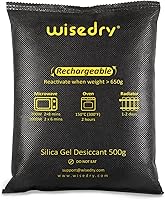
The wisedry set includes two 500 g silica gel bags. Wisedry says each bag can absorb 150 g of moisture, with a maximum of 180 g, and says to weigh the bag before recharging; don't recharge below 650 g.
Follow the included instructions for microwave or oven reactivation, including the stated time and overheating warning. Let a recharged pack cool as instructed before returning it to the safe.
Don't assume a pack is still active just because it looks unchanged. If the safe remains humid or condensation appears, check the pack instructions and consider another control method.
Does a humidity gauge help you use desiccant?
Yes, a humidity gauge lets you check whether the safe's conditions are changing. Place it where you can read it, then look at it regularly and after major changes in the room or safe.
One reading is only a snapshot. Compare readings over time, especially after recharging a pack or improving room ventilation.
If humidity remains high, look for a source such as a damp room, wet items, or frequent door opening. Desiccant can only manage moisture in the air it can reach.
When should you choose an electric dehumidifier rod?
Consider a rod if you want continuous moisture control without recharging a desiccant pack. Electric rods warm the air slightly, which can encourage air circulation inside an enclosed safe.
The Lockdown Golden Rod is a 24 in rod with a 6 ft cord and attachable legs; Lockdown says it protects up to 300 cubic feet. It plugs into a 110–120 volt AC outlet, so plan cord routing before placing it in the safe.
Position the rod so it does not block access or touch stored items. Follow its installation instructions and keep its cord clear of hinges and pinch points.
If you prefer a rechargeable approach, see our guide to the best rechargeable dehumidifier for a gun safe. For a plug-in option, compare the best electric gun safe dehumidifier.
Can you use a rod instead of a desiccant pack?
A rod is an alternative when you can safely route power and want a continuously connected device. A desiccant pack is useful when you need a portable option or don't have an outlet nearby.
The MAXSafes Gun Safe Dehumidifier Rod is a 12 in aluminum rod with snap-on brackets for vertical or horizontal mounting. MAXSafes says it slightly raises the temperature inside the safe to help drive out excess humidity.
MAXSafes warns not to touch the rod after plugging it in. Keep it clear of items and follow the installation guidance.
For an overview of different moisture-control approaches, see best gun safe dehumidifiers.
What mistakes should you avoid?
Don't rely on a pack that is saturated, blocked, or overdue for care. Follow its recharge instructions, and keep it accessible enough to inspect.
Avoid placing desiccant where it can fall, get wet, or interfere with opening the safe. Do not recharge a product by guessing at time or temperature.
Don't treat a rod as a substitute for checking the safe. If you see condensation or signs of moisture, check the room, the safe's contents, and the humidity readings, then adjust your approach.
How should you choose a moisture-control method?
Choose reusable desiccant when portability matters, and choose a rod when a safe outlet and cord route make continuous operation practical. Check conditions over time so you know whether your choice is helping.
The wisedry bags suit a safe where you can monitor and recharge packs. The Lockdown Golden Rod and MAXSafes rod suit safe layouts where a powered rod can be installed as directed.
Start with one method, make sure it is positioned correctly, and review humidity readings after it has been in place. If the safe remains damp, address moisture entering the room or safe and compare other gun safe dehumidifier options.
Frequently asked questions
Where should you put desiccant in a gun safe?
Place a desiccant pack on a stable shelf or floor where air can circulate around it and where it won't block access to firearms. Keep it away from spills and follow its instructions for orientation and clearance.
A plug-in rod should be mounted as directed, with its cord routed safely.
How often should you recharge gun safe desiccant?
Recharge a reusable desiccant according to its instructions and any indicator it includes. Some packs specify a weight threshold before recharging; for example, wisedry says not to recharge its 500 g packs below 650 g.
Don't use heat or a microwave unless the pack's instructions allow it.
Can you use desiccant and an electric rod together in a gun safe?
You can use both if the safe has room and each device's instructions allow it, but start with one moisture-control method and monitor humidity. Combining devices without checking conditions can make it harder to tell what is working.
Keep packs clear of the rod and do not touch a powered rod.
Does desiccant prevent rust in a gun safe?
Desiccant can help manage moisture in an enclosed safe, but it cannot guarantee rust prevention. Keep firearms clean and dry before storage, reduce damp air entering the safe, and check humidity regularly.
If condensation persists, inspect the room and safe for moisture sources and consider another control method.